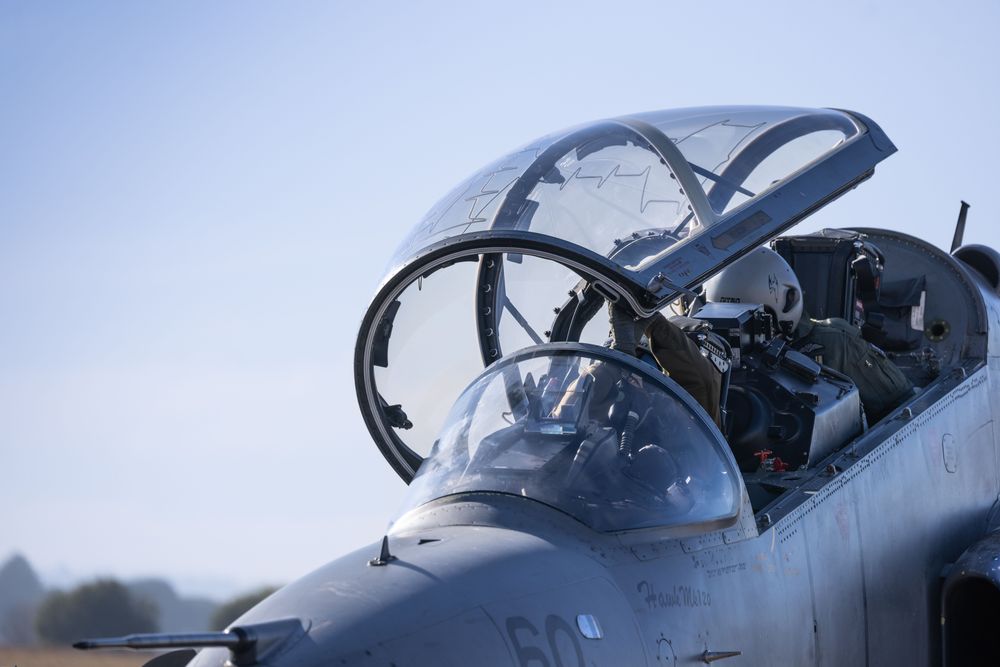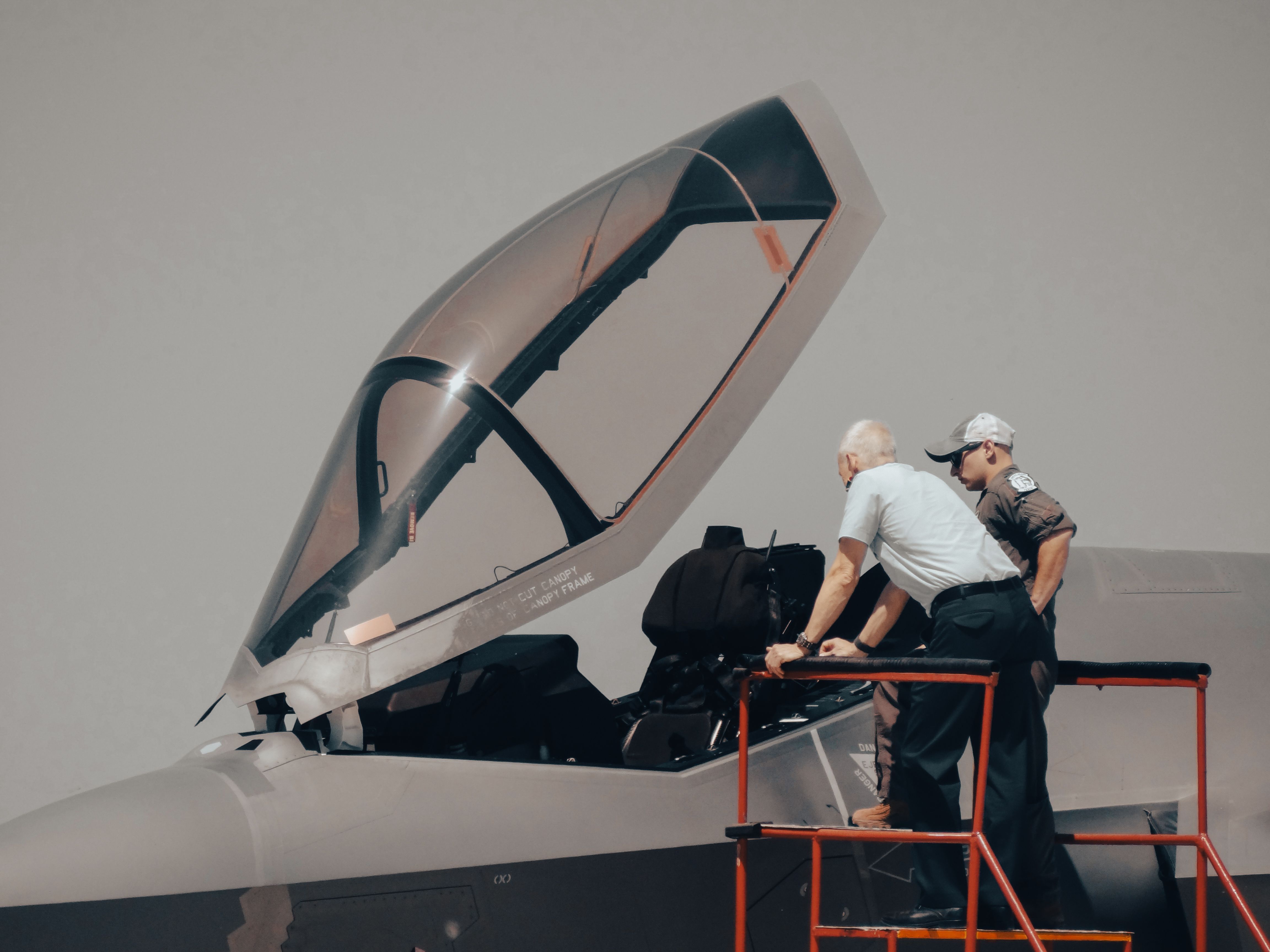
A CPL opens more doors than most students realise. Here's a clear breakdown of every career path available to commercial pilot license holders in 2026 from airlines to cargo, charter, and beyond.
Best Career Opportunities After Getting a CPL in 2026
Getting your Commercial Pilot License is one of the biggest milestones in any pilot's journey. But for a lot of students, the moment they hold that license, a new question takes over what actually comes next?
The good news is that a CPL doesn't just open one door. It opens several. And the path you choose depends entirely on what kind of flying career you want to build.
Here's a clear breakdown of the best career opportunities available to CPL holders in 2026.
1. First Officer at a Commercial Airline
This is the most common goal for CPL graduates, and for good reason. Flying as a First Officer (co-pilot) with a scheduled airline is one of the most stable, well-paying careers in aviation.
In India, airlines like IndiGo, Air India, Akasa Air, and SpiceJet recruit CPL holders who meet the minimum flying hour requirement typically 200 hours and have cleared their DGCA written examinations. Before you can fly a commercial jet, you'll also need a Type Rating for the specific aircraft the airline operates, such as the Airbus A320 or Boeing 737. Airlines either offer this training themselves or you can complete it through a DGCA-approved training organization.
India's aviation sector is expanding rapidly, with airlines placing large aircraft orders and adding new routes regularly. For CPL holders looking to enter the airline world, this is one of the strongest periods to be doing so.
2. Flight Instructor
Not every CPL holder wants to jump straight into commercial flying and becoming a flight instructor is a genuinely smart career move, not just a backup option.
As a flight instructor, you build flying hours while getting paid. You develop deep technical knowledge by teaching it, and you build a track record that airlines look at favourably. Many experienced airline pilots started their careers as instructors, and the path is well-respected within the industry.
To become a flight instructor in India, you'll need a Flight Instructor Rating (FIR) from DGCA, which involves additional training and a skill test.
3. Cargo and Freight Flying
The boom in e-commerce and logistics has made cargo aviation one of the fastest-growing areas in the industry. Cargo operators in India like Blue Dart Aviation and SpiceXpress, along with international freight companies, hire CPL-qualified pilots for cargo operations.
Cargo flying often involves night operations, but it comes with strong pay packages and, in many cases, faster command upgrades compared to passenger airlines. For pilots who want to build hours quickly while earning well, cargo flying is worth serious consideration.
4. Charter and Corporate Aviation
Charter flying offers a very different lifestyle from commercial airline work. As a charter pilot, you fly smaller aircraft on private or semi-private routes, often for corporate clients, high-net-worth individuals, or government officials.
The flying itself is varied different routes, different aircraft, different passengers. Pay and conditions depend heavily on the operator, but experienced charter pilots with strong hours and a good record can earn well. It's also a strong route for building diverse flying experience early in your career.
5. Helicopter Operations
If you're open to rotary-wing flying, a CPL with helicopter ratings opens up an entirely different category of career paths. Helicopter pilots are employed across emergency medical services (EMS), offshore oil rig transfers, search and rescue operations, aerial surveying, and law enforcement support.
Major employers in this segment include government agencies like ONGC, the Border Security Force (BSF), and state police aviation wings. Helicopter flying requires separate training and ratings from fixed-wing CPL, but for the right candidate, it's a deeply rewarding career path.
6. Aviation Management and Ground-Based Roles
Not every career for a CPL holder has to be in the cockpit. Many aviation professionals transition into ground-based roles such as aviation safety management, airline operations, air traffic control advisory, training management, or aviation regulatory work.
These roles benefit enormously from having a licensed pilot's perspective, and they offer long-term stability with strong career progression particularly for pilots who may face medical limitations later in their careers or who want to step off the flight line while staying in the industry.
What Comes Right After Your CPL?
Once you have your CPL, the most common immediate next steps are:
Build your hours. Most airlines require significantly more than the minimum 200 hours for First Officer positions, especially international carriers who may ask for 1,000 to 1,500 hours. Flight instruction, charter flying, and regional operations are the most common hour-building routes.
Get your Type Rating. To fly commercial jets with an airline, a Type Rating is mandatory. This is an additional certification specific to an aircraft type such as the Airbus A320 or Boeing 737 and it's what makes you truly airline-ready.
Prepare for airline selection. Airlines have their own selection processes that include simulator assessments, technical interviews, HR rounds, and medical evaluations. Strong preparation for each of these stages matters just as much as your flying hours.
A Note on FAA-Licensed Pilots
For pilots who trained under FAA Part 141 programs, the career path has an additional advantage international mobility. FAA licenses are recognized across a broader range of global markets compared to some other national licenses, which means FAA-trained pilots have more options when it comes to which airlines and operators they can apply to, both in India and abroad.
Final Word
A CPL is not the finish line, it's the starting point for a career that can go in many directions. The pilots who build the most successful careers are the ones who plan deliberately: they know which path they're aiming for, they build their hours and ratings strategically, and they treat every flying opportunity as a step toward a specific goal.
Whether you're aiming for an airline cockpit, an instructor's seat, or a specialist role in cargo or helicopter operations the license in your hand is the foundation. What you build on it is entirely up to you.
Crew Connect Aviation is an FAA Part 141 certified flight school based in the UAE, offering structured, internationally recognized pilot training for aspiring commercial pilots.